

Explore Our Articles and Blogs
Outdoor Activities for Preschool Learning: Fun and Educational Ideas

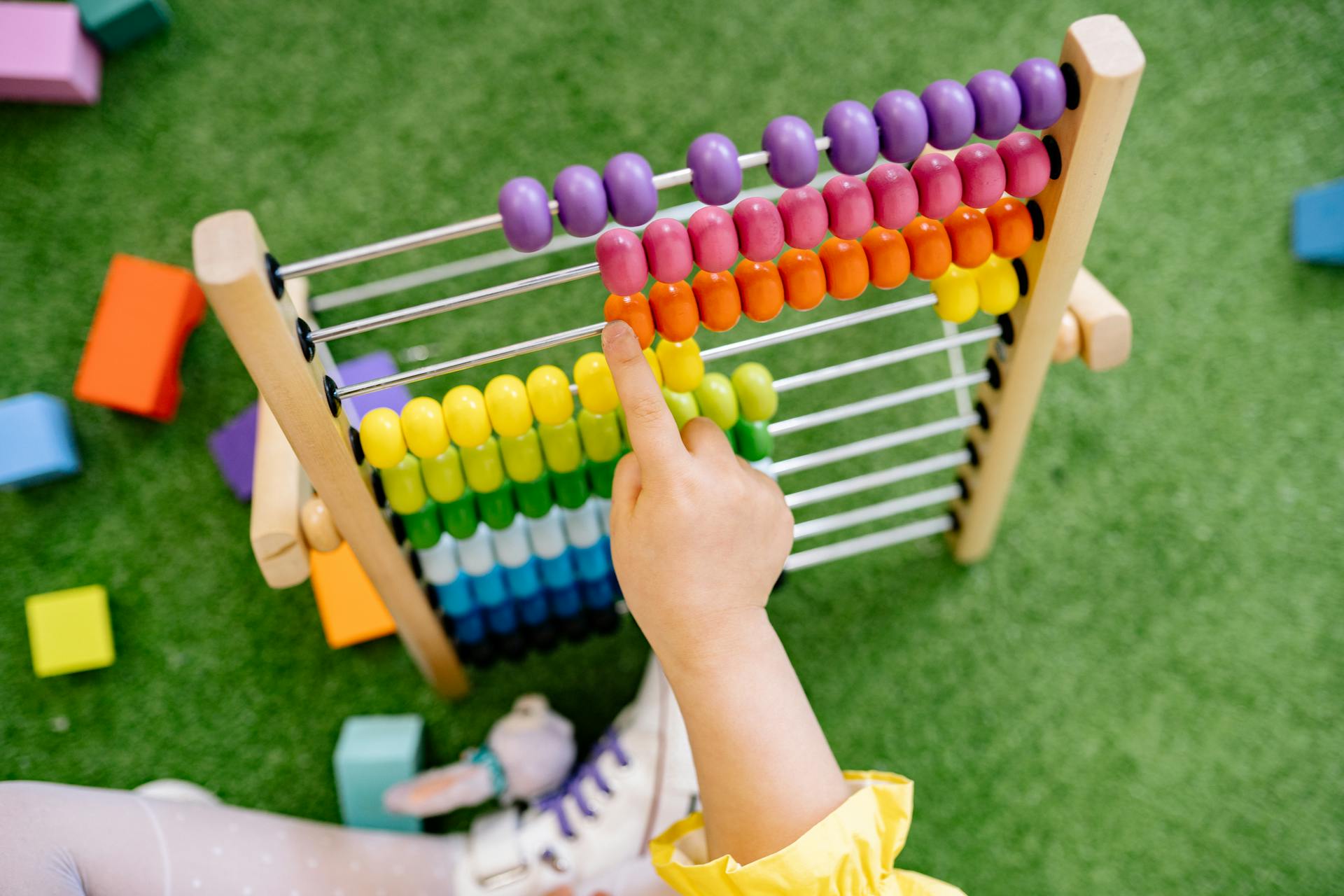
Preschoolers learn best through exploration, play, and hands-on experiences. While classrooms provide structure and guidance, outdoor environments open new opportunities for discovery that can’t always be replicated indoors. Outdoor activities for preschool learning not only improve physical health but also foster creativity, problem-solving, and social-emotional growth.
In this blog, we’ll explore why outdoor education is vital, the benefits it offers, and practical activity ideas that parents and teachers can use to bring learning outside.
1. Why Outdoor Learning Matters in Preschool
Young children are naturally curious. When they step outside, every leaf, rock, and insect becomes a learning opportunity. Outdoor learning allows them to:
- Engage with real-world experiences.
- Strengthen connections between classroom lessons and nature.
- Develop independence, resilience, and confidence.
Research in early childhood education consistently shows that time outdoors boosts attention spans, reduces stress, and enhances overall well-being.
2. Benefits of Outdoor Activities for Preschool Learning
a. Physical Development
Running, climbing, and balancing on playground structures build gross motor skills, while picking up leaves or using shovels develops fine motor strength.
b. Cognitive Growth
Outdoor activities stimulate problem-solving, scientific observation, and critical thinking.
c. Social Skills
Group play encourages cooperation, negotiation, and sharing.
d. Emotional Well-Being
Fresh air and natural light reduce anxiety and support positive moods.
e. Environmental Awareness
Exploring nature fosters respect for the environment and instills sustainable values from an early age.
3. Outdoor Learning Environments
Outdoor activities don’t require elaborate setups. Preschoolers benefit from:
- Playgrounds: Great for climbing, running, and social interaction.
- Gardens: Offer lessons in science, responsibility, and nutrition.
- Parks and Trails: Encourage exploration of ecosystems.
- Open Fields: Provide space for free play and group games.
Teachers and parents can transform any outdoor space into a learning environment with creativity and intention.
4. Outdoor Literacy Activities
a. Alphabet Nature Hunt
Children search for objects beginning with each letter of the alphabet (e.g., “L” for leaf, “S” for stone).
b. Storytelling Circles
Sit under a tree and create group stories inspired by surroundings.
c. Nature Writing
Preschoolers draw or “write” in journals about what they see, hear, or smell outside.
5. Outdoor Math and Science Exploration
a. Counting Collections
Have children collect sticks, rocks, or pinecones to practice counting and sorting.
b. Measuring Nature
Use rulers or measuring tapes to compare lengths of leaves, sticks, or shadows.
c. Weather Observations
Record daily weather patterns—sunny, rainy, windy—connecting to early science concepts.
d. Plant Life Cycles
Plant seeds in a garden bed and track their growth through drawings and photos.
6. Social-Emotional Learning Outdoors
Outdoor play naturally nurtures teamwork, empathy, and conflict resolution. Activities like building a fort together or sharing garden tools teach children to cooperate and negotiate.
Mindfulness exercises, such as “listening walks” where children focus on sounds around them, promote emotional regulation and calmness.
7. Gross Motor and Fine Motor Activities Outside
a. Obstacle Courses
Set up cones, ropes, and hoops for running, crawling, and jumping challenges.
b. Nature Art
Encourage children to create collages from leaves, sticks, and flowers. Picking and arranging natural items strengthens fine motor coordination.
c. Ball Games
Kicking, throwing, and catching games enhance coordination and teamwork.
d. Sand and Water Play
Digging, pouring, and molding materials provide sensory stimulation and muscle development.
8. Seasonal Outdoor Activities
Spring
- Plant flower or vegetable gardens.
- Observe insects like butterflies and bees.
Summer
- Water play with sprinklers or splash tables.
- Collect seashells or rocks on nature walks.
Fall
- Leaf rubbings using crayons and paper.
- Pumpkin rolling races for fun motor skill practice.
Winter
- Snow painting with food coloring in spray bottles.
- Building snow structures for creativity and teamwork.
9. Safety and Inclusivity Considerations
While outdoor learning is enriching, safety is essential. Teachers and parents should:
- Check for hazards (sharp objects, unsafe plants).
- Apply sunscreen and ensure proper clothing.
- Supervise water play closely.
- Provide adaptive equipment so children of all abilities can participate.
Inclusivity means ensuring every child feels welcome and capable outdoors, regardless of ability or background.
10. Extending Outdoor Learning at Home
Parents can support outdoor learning by:
- Taking children on neighborhood walks to observe nature.
- Setting up backyard exploration stations with magnifying glasses and buckets.
- Using chalk to practice letters, numbers, or creative art.
- Encouraging family games like hide-and-seek, hopscotch, or scavenger hunts.
These small efforts help bridge school learning with real-life experiences.
11. Overcoming Barriers to Outdoor Learning
Some challenges include limited outdoor space, weather restrictions, or safety concerns. Solutions may involve:
- Using community parks or nature trails.
- Creating indoor “outdoor-inspired” activities during inclement weather.
- Partnering with families to advocate for more outdoor education opportunities.
Outdoor activities for preschool learning go far beyond recess. They provide dynamic opportunities for children to strengthen physical, cognitive, emotional, and social skills while cultivating a love of nature and learning.
By integrating literacy, math, science, and social-emotional development into outdoor play, teachers and parents create holistic educational experiences that prepare children for future academic success and personal growth.
Outdoor education should not be seen as optional—it is a vital part of early childhood development, shaping curious, confident, and resilient learners who are ready to explore the world. Duneriat