

Explore Our Articles and Blogs
How Music Supports Early Childhood Learning: Enhancing Development Through Rhythm and Melody

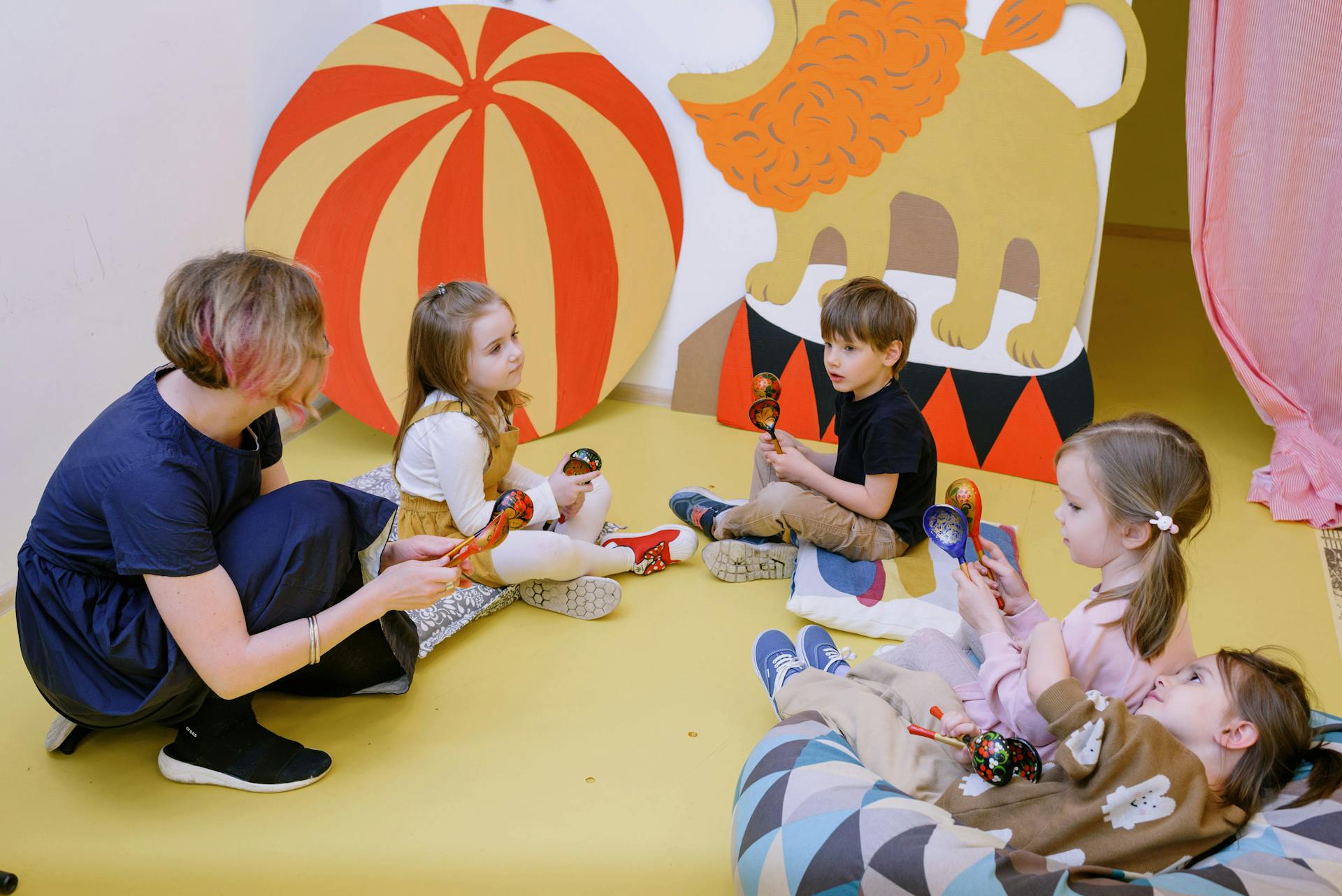
Music is a powerful tool in early childhood education. From lullabies and nursery rhymes to classroom songs and instruments, music enriches the learning environment while supporting cognitive, social, emotional, and physical development in young children. Integrating music into early childhood learning is not just about entertainment, it fosters foundational skills that prepare children for academic success and lifelong learning. This blog explores how music supports early childhood learning, the benefits it provides, and practical ways to incorporate music in the classroom or at home.
The Role of Music in Early Childhood
Children are naturally drawn to music. They respond to rhythm, repetition, and melody even before they can speak, and music helps them make sense of the world around them. In early childhood, music engages multiple areas of the brain simultaneously, strengthening neural connections that support memory, attention, language, and executive function. Singing, clapping, and playing instruments encourage active participation and movement, which are crucial for physical and cognitive development.
Music also provides a unique platform for self-expression. Children use music to communicate feelings, explore emotions, and connect with others. This emotional engagement enhances motivation, creativity, and social bonding, making learning more meaningful and enjoyable.
Cognitive Benefits of Music in Early Childhood
Music has a significant impact on cognitive development in young children. Activities like singing songs, listening to rhythms, and playing instruments enhance memory, attention, and problem-solving skills. For example, learning the lyrics to a song strengthens memory recall, while clapping along to a beat improves focus and rhythm recognition.
Exposure to music also supports early literacy skills. Rhymes, chants, and songs help children recognize patterns in sounds, develop phonemic awareness, and expand vocabulary. Children who regularly engage with music are better at distinguishing sounds in words, which is a critical skill for reading readiness. Additionally, sequencing activities in music—such as remembering verses or playing rhythm patterns—help develop logical thinking and planning skills.
Mathematical thinking is another area supported by music. Children learn to recognize patterns, count beats, and understand concepts such as more, less, fast, and slow. These early numeracy skills provide a foundation for future learning in mathematics and STEM subjects.
Social and Emotional Benefits of Music
Music is a powerful social tool in early childhood classrooms. Singing songs together, playing instruments in groups, and dancing foster cooperation, turn-taking, and shared enjoyment. Music encourages children to listen to one another, follow group cues, and collaborate on creative projects.
Emotionally, music provides children with a safe way to express feelings. Gentle lullabies can calm anxious children, while lively songs boost energy and mood. Music also helps children identify and label emotions, promoting emotional intelligence. Through expressive singing or improvisation, children learn to regulate their emotions, cope with stress, and develop empathy for others.
Music also supports self-confidence. Performing a song, leading a rhythm, or mastering an instrument—even a simple one—gives children a sense of accomplishment and pride. These positive experiences build motivation and a willingness to take risks in learning.
Physical Development and Music
Music naturally incorporates movement, which supports gross and fine motor skills in young children. Activities like clapping, stomping, dancing, or playing percussion instruments strengthen coordination, balance, and spatial awareness. Fine motor skills are enhanced when children manipulate small instruments, such as maracas, xylophones, or rhythm sticks, requiring control and precision.
Movement-based musical activities also support body awareness and motor planning. Children learn to move in time with a beat, follow sequences of motions, and coordinate hand-eye movements. These physical skills are foundational for other learning areas, including writing, sports, and classroom participation.
How Music Supports Language and Literacy
Music is closely linked to language development. Singing and listening to songs introduce children to rhythm, rhyme, and repetition, which are essential for phonological awareness. Nursery rhymes, chants, and songs help children notice sound patterns, syllables, and word structures, making it easier to recognize letters and read words later on.
Musical storytelling and call-and-response songs improve listening comprehension and oral language skills. Children learn to follow instructions, sequence events, and understand narrative structures. Vocabulary expansion also occurs naturally through music, as children are exposed to new words, phrases, and descriptive language in songs and lyrics.
Creativity and Problem-Solving Through Music
Music fosters creativity and imagination in early childhood. Improvising rhythms, creating new songs, or experimenting with instruments encourages children to think outside the box and explore possibilities. Music-based problem-solving activities, such as figuring out how to produce a certain sound or rhythm, help develop critical thinking skills.
Children also learn persistence and trial-and-error through musical experimentation. They discover that practicing, repeating, and adjusting can lead to desired outcomes. This experience builds resilience and a growth mindset, which are vital for lifelong learning.
Practical Ways to Incorporate Music in Early Childhood Learning
There are countless ways to integrate music into daily activities in preschool and early childhood settings. Singing songs during transitions, playing background music during activities, or leading movement-based musical games can make routines enjoyable and educational. Simple instruments like tambourines, shakers, drums, or xylophones allow children to explore sounds and rhythm actively.
Teachers and caregivers can use music to reinforce academic concepts. For example, counting songs support numeracy, alphabet songs enhance letter recognition, and science songs introduce concepts like weather or animals. Music can also complement literacy activities by setting stories to melodies or encouraging children to create songs that describe their experiences.
Incorporating music into thematic lessons or storytelling encourages multi-sensory learning. Children who learn through multiple modalities, listening, moving, and performing, are more likely to retain information and develop deeper understanding.
The Role of Music in Inclusive Classrooms
Music is highly inclusive and can engage children with diverse abilities and learning styles. For children with special needs, music can support communication, social interaction, and motor skills in a non-threatening, enjoyable way. Visual cues, rhythm, and repetition in music help reinforce learning, while movement activities accommodate various physical abilities. Music provides opportunities for all children to participate, express themselves, and experience success, fostering confidence and inclusion in the classroom.
Long-Term Benefits of Music in Early Childhood
The benefits of music in early childhood extend beyond preschool. Children who engage with music regularly tend to develop stronger memory, attention, language, and social skills. They often demonstrate enhanced creativity, problem-solving abilities, and emotional regulation. Exposure to music lays the foundation for future success in academics, the arts, and interpersonal relationships.
Research shows that children involved in music education tend to perform better in reading, math, and critical thinking tasks. Music strengthens neural pathways in the brain, supports executive function skills, and fosters cognitive flexibility. By integrating music into early childhood learning, educators can provide experiences that enrich multiple areas of development simultaneously.
Conclusion
Music is more than entertainment in early childhood, it is a powerful educational tool that supports cognitive, social, emotional, and physical development. Through rhythm, melody, and movement, children enhance memory, attention, language, numeracy, and problem-solving skills. Music encourages creativity, self-expression, social cooperation, and emotional regulation, providing a well-rounded foundation for lifelong learning.
Incorporating music into early childhood classrooms, homes, and play spaces is simple yet highly effective. Singing, dancing, exploring instruments, and integrating songs into academic concepts make learning enjoyable, engaging, and meaningful. By embracing music as a core component of early childhood education, caregivers and educators can foster confident, curious, and capable learners who are ready to thrive in school and beyond. Duneriat