

Explore Our Articles and Blogs
Bilingual Pre-K Program Benefits: Preparing Young Learners for a Multilingual World

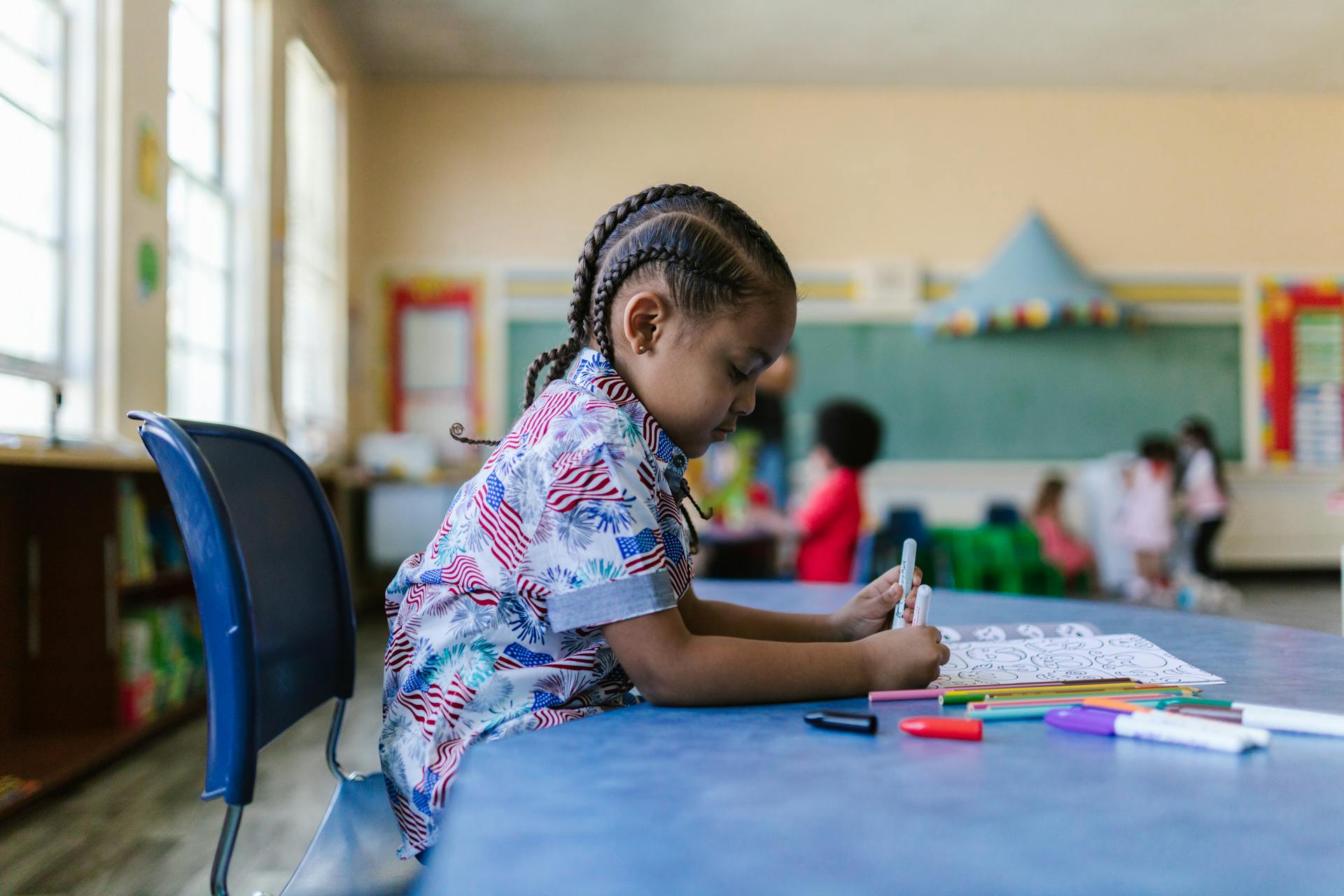
In an increasingly globalized world, bilingualism is more than an asset—it is a valuable skill that can shape children’s cognitive, social, and academic development. Bilingual pre-K programs, which introduce children to two languages during early childhood, are becoming increasingly popular for families and educators seeking to give children a strong foundation for lifelong learning. These programs not only support language acquisition but also enhance cognitive flexibility, cultural awareness, and school readiness. Understanding the benefits of bilingual pre-K programs helps parents and educators make informed decisions about early childhood education.
What Is a Bilingual Pre-K Program?
A bilingual pre-K program is an early childhood education model in which children are taught in two languages, often through immersion, dual-language instruction, or a combination of both. These programs can vary in approach:
- Dual-Language Immersion: Children learn in two languages simultaneously, with instruction divided between the primary language and the second language.
- Partial Immersion: A portion of the day is taught in a second language, while the rest of the day uses the primary language.
- Transitional Bilingual Programs: Focuses on introducing a second language while gradually transitioning to the dominant language for instruction.
Regardless of the approach, bilingual pre-K programs aim to develop language skills, literacy, and cultural competence while maintaining developmentally appropriate learning experiences.
Cognitive Benefits of Bilingual Pre-K Programs
Research consistently shows that bilingualism enhances cognitive development in young children. Children in bilingual pre-K programs often demonstrate stronger executive function skills, including working memory, attention control, and cognitive flexibility. These skills allow children to switch between tasks, focus on relevant information, and adapt to new situations more effectively.
Bilingual children also tend to develop enhanced problem-solving and critical thinking abilities. Learning two languages encourages them to compare and analyze linguistic structures, notice patterns, and find creative solutions in communication. This mental flexibility transfers to other areas of learning, supporting academic success in subjects such as math, science, and literacy.
Additionally, bilingualism may delay cognitive decline later in life and strengthen brain development. Early exposure to two languages creates new neural pathways, promoting greater brain plasticity. Children who engage in bilingual learning are building a foundation for both cognitive and academic growth that can last a lifetime.
Language and Literacy Advantages
Bilingual pre-K programs support early literacy skills in both languages. Children learn to recognize sounds, letters, and words in two linguistic systems, which enhances phonemic awareness and reading readiness. Learning a second language early also improves vocabulary acquisition, comprehension, and communication skills.
Exposure to two languages helps children understand that words are symbols representing objects, ideas, or actions—a critical concept in literacy development. Children in bilingual programs often develop strong metalinguistic awareness, meaning they understand how language works and can apply this knowledge to reading and writing tasks. These skills provide a significant advantage when children enter elementary school, where language and literacy skills are central to academic success.
Social and Cultural Benefits
Bilingual pre-K programs provide children with opportunities to engage with diverse cultures, perspectives, and traditions. Learning another language helps children develop empathy and cultural awareness, fostering respect for differences and an appreciation for global diversity.
Socially, bilingual children often have enhanced communication skills. They learn to navigate multiple linguistic and cultural contexts, improving their ability to collaborate, negotiate, and adapt in social interactions. These social skills help children form positive relationships with peers, teachers, and their community, supporting overall social-emotional development.
Cultural exposure through bilingual programs also strengthens identity development. Children who maintain their home language while learning a second language feel a sense of continuity and pride in their cultural heritage. This dual-language identity supports self-esteem and confidence, which are essential for healthy social and emotional growth.
Academic and Long-Term Educational Benefits
Children who participate in bilingual pre-K programs often demonstrate long-term academic advantages. Research indicates that bilingual students perform as well or better than monolingual peers in reading, math, and problem-solving tasks. Early language learning supports literacy development and cognitive skills, which translate into stronger school performance throughout elementary and secondary education.
Bilingualism also opens future educational opportunities. Children with early exposure to a second language are more likely to pursue advanced language courses, engage in international learning experiences, and develop a competitive edge in higher education and careers. Early bilingual education fosters a mindset of curiosity, adaptability, and lifelong learning, giving children tools to thrive in a globalized world.
Emotional and Identity Development
Bilingual pre-K programs contribute to emotional development by promoting self-expression and confidence. Children who learn multiple languages gain new ways to communicate thoughts, feelings, and ideas. They can articulate emotions in ways that may be more nuanced or culturally relevant, enhancing social-emotional intelligence.
Maintaining a home language while learning a second language allows children to strengthen family connections and cultural identity. Children who feel valued in both their home and school languages develop a sense of belonging and pride in their bilingual abilities. This emotional support is critical in fostering resilience and positive self-concept during early childhood.
Supporting Cognitive Flexibility and Adaptability
Bilingualism strengthens cognitive flexibility—the ability to switch between tasks, adjust to new rules, and think creatively. Children who navigate multiple languages develop heightened attention control and problem-solving skills, which extend beyond language learning. They are often better equipped to adapt to new learning environments, manage challenges, and approach tasks with innovative thinking.
Cognitive flexibility in bilingual children also enhances executive function, including working memory and inhibitory control. These skills are fundamental for classroom learning, helping children follow instructions, focus on tasks, and organize their thoughts effectively.
Practical Strategies to Support Bilingual Learning in Pre-K
Successful bilingual pre-K programs combine immersive language experiences with play-based learning. Teachers can incorporate songs, storytelling, dramatic play, and culturally relevant activities in both languages to reinforce learning. Visual aids, gestures, and consistent routines help children understand and retain new vocabulary.
Family involvement is crucial. Encouraging families to maintain the home language while supporting school-based language learning strengthens bilingual development and ensures continuity between home and school environments. Providing culturally relevant books, songs, and games allows children to connect both languages to meaningful experiences.
Teachers also benefit from ongoing professional development in bilingual education, learning strategies for language scaffolding, assessment, and culturally responsive teaching. When educators are well-prepared, they can create inclusive, engaging environments that maximize the benefits of bilingual learning.
Long-Term Career and Cognitive Benefits
Bilingual children gain advantages that extend into adulthood. They are more likely to develop cross-cultural communication skills, enhanced problem-solving abilities, and higher levels of cognitive resilience. Bilingualism improves executive function, memory, and multitasking abilities, which are highly valued in professional and academic settings.
Career opportunities also expand for bilingual individuals. Fluency in multiple languages is increasingly in demand in global business, education, healthcare, and international relations. Children who begin bilingual learning in pre-K are positioned to take advantage of these opportunities, giving them a lifelong skill that opens doors across cultures and industries.
Bilingual pre-K programs provide children with a wealth of benefits that extend far beyond language acquisition. From cognitive development and literacy skills to social-emotional growth, cultural awareness, and long-term academic and career advantages, early exposure to two languages enriches the early childhood learning experience.
By fostering bilingualism in pre-K, educators and parents equip children with the skills, confidence, and adaptability needed to thrive in a diverse, globalized world. These programs cultivate curiosity, cognitive flexibility, and cultural competence while laying the foundation for academic success and lifelong learning. Investing in bilingual early childhood education is not only an investment in language skills—it is an investment in a child’s holistic development and future opportunities. Duneriat