

Explore Our Articles and Blogs
Emotional Development in Preschool Children: Building the Foundation for Lifelong Well-Being

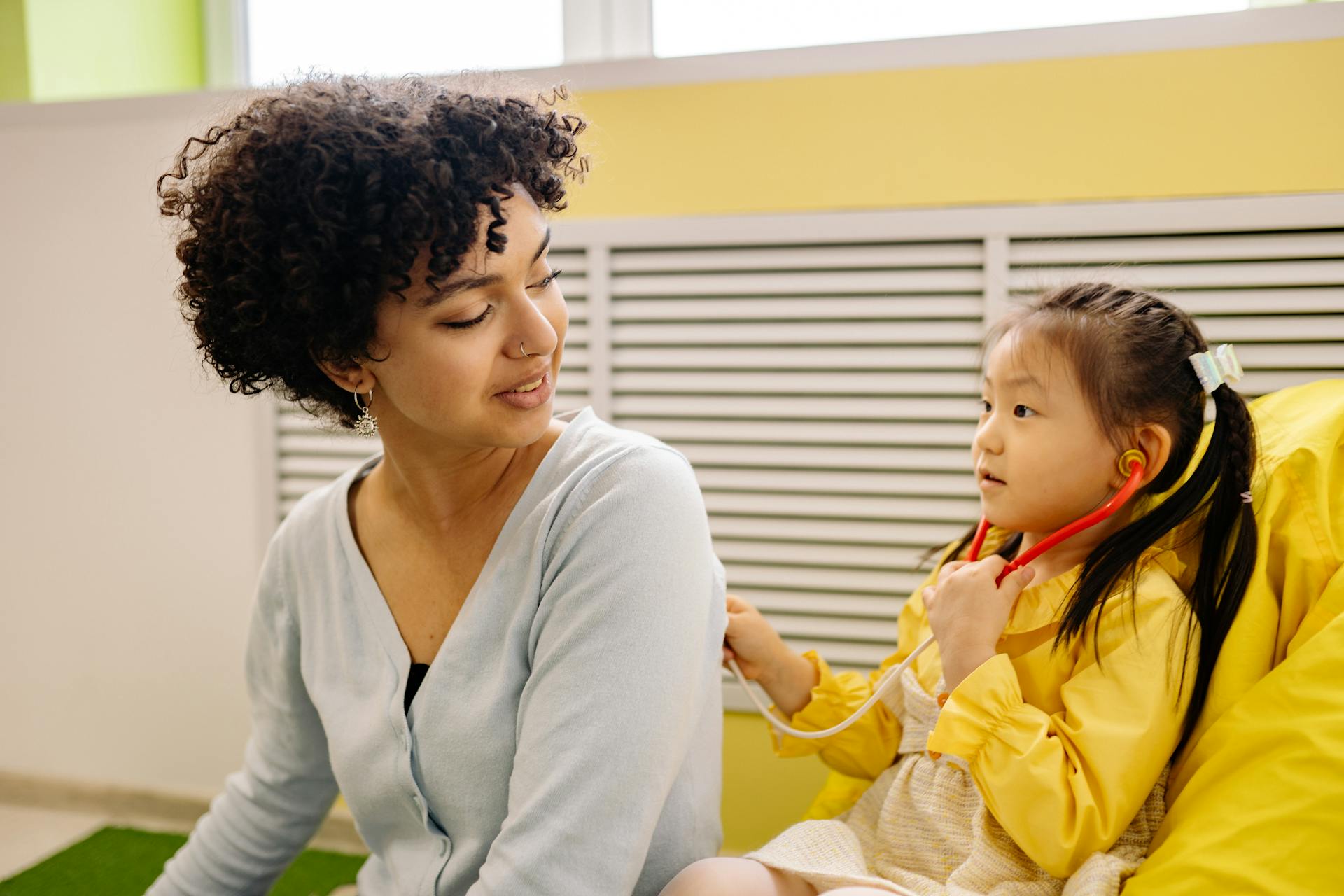
The preschool years, typically ages 3 to 5, are a time of incredible growth—not only physically and cognitively but also emotionally. During this stage, children begin to express a wider range of feelings, understand others’ emotions, and develop the social-emotional skills needed to build healthy relationships. Emotional development in preschool children is crucial because it shapes their ability to manage stress, communicate effectively, and form positive connections throughout life.
This blog explores the stages of emotional development, key milestones, common challenges, and evidence-based strategies for parents, teachers, and caregivers to nurture preschoolers’ emotional well-being.
1. What Is Emotional Development?
Emotional development refers to the process through which children recognize, express, and regulate their emotions while learning to respond appropriately to the feelings of others. For preschoolers, this means moving beyond basic emotions like happiness or sadness to more complex ones like pride, guilt, empathy, or frustration.
Strong emotional development helps children:
- Build resilience in the face of setbacks.
- Form friendships and work collaboratively.
- Express needs without aggression or withdrawal.
- Develop empathy and compassion for others.
Without these skills, children may struggle academically, socially, and behaviorally as they grow.
2. Stages of Emotional Development in Preschoolers
Emotional milestones vary by age, but general patterns include:
- Age 3: Children can name basic emotions (happy, sad, angry) and begin showing empathy. They may also experience tantrums as they struggle with self-regulation.
- Age 4: Preschoolers start to understand that feelings are connected to events. They use words more often to describe emotions and begin negotiating during conflicts.
- Age 5: Children develop greater impulse control and can manage disappointment with guidance. They also begin to show pride in accomplishments and concern for others.
These stages are fluid, with cultural, environmental, and individual factors shaping how children progress.
3. Importance of Emotional Development in Early Childhood
Why is emotional growth so vital at this age? Research shows that emotional competence in preschool correlates strongly with school readiness. Children who manage emotions well are better able to focus, follow directions, and persist in problem-solving.
Additionally, emotional skills predict long-term outcomes. A famous longitudinal study from Duke University found that children with strong social-emotional skills in preschool were more likely to graduate high school, attend college, and maintain stable employment. Clearly, emotional development in preschool is not just about being “nice”—it’s about future success.
4. Factors Influencing Emotional Development
Several factors impact how preschoolers develop emotionally:
- Parenting Style: Warm, responsive parenting fosters secure attachments and healthy emotion regulation.
- Classroom Environment: Supportive, inclusive classrooms with routines help children feel safe and capable.
- Modeling: Children imitate how adults express and manage emotions. Calm role models promote self-regulation.
- Cultural Values: Different cultures emphasize different emotional expressions, influencing children’s behavior.
- Temperament: Some children are naturally more sensitive or adaptable, requiring tailored approaches.
5. Common Emotional Challenges in Preschoolers
Even with nurturing environments, preschoolers often face emotional struggles:
- Tantrums and Outbursts: A normal part of learning self-control, especially during transitions.
- Separation Anxiety: Difficulty when away from parents, especially at school entry.
- Frustration Tolerance: Struggling to cope when tasks are hard or rules are enforced.
- Aggression or Withdrawal: Some children lash out, while others retreat when overwhelmed.
Recognizing these challenges as developmental rather than defiant helps adults respond with empathy and patience.
6. Strategies to Support Emotional Development in Preschool Children
a. Naming and Validating Emotions
Children often feel emotions before they can articulate them. Adults can help by naming the feeling (“You seem frustrated because the block tower fell”) and validating it (“It’s okay to feel upset when something doesn’t work”). This teaches emotional vocabulary and normalizes feelings.
b. Teaching Self-Regulation Skills
Preschoolers can begin learning coping strategies like:
- Deep breathing exercises.
- Counting to five before reacting.
- Using “calm-down corners” with sensory tools like stress balls or picture books.
c. Modeling Healthy Emotional Expression
Children learn more from observation than instruction. Adults who express anger calmly or show gratitude regularly provide powerful lessons in emotional literacy.
d. Encouraging Empathy and Perspective-Taking
Role-playing games and stories help children imagine how others feel. Asking, “How do you think she felt when her toy broke?” encourages perspective-taking.
e. Creating Predictable Routines
Predictability reduces anxiety. Knowing what to expect during the day allows children to manage transitions and cope with disappointments more effectively.
f. Building Secure Relationships
Positive teacher-child and parent-child bonds form the foundation of emotional security. Warm interactions, consistent guidance, and open communication nurture trust.
7. The Role of Play in Emotional Growth
Play is the natural language of children and a key driver of emotional development.
- Dramatic Play: Role-playing as parents, teachers, or superheroes allows children to experiment with emotions in a safe setting.
- Cooperative Games: Taking turns and following rules teaches patience and fairness.
- Art and Music: Creative outlets provide nonverbal ways to process complex feelings.
Through play, children practice problem-solving, empathy, and conflict resolution, all while having fun.
8. Emotional Development in Group Settings
Preschool classrooms are often a child’s first experience with peer communities. Group settings present opportunities and challenges:
- Opportunities: Sharing, waiting turns, and collaborative projects build social-emotional skills.
- Challenges: Peer conflicts, exclusion, and competition can trigger strong emotions.
Teachers can support positive interactions by setting clear expectations, modeling respectful communication, and guiding children through conflict resolution.
9. The Role of Parents and Caregivers
Parents are a child’s first teachers. At home, caregivers can support emotional growth by:
- Maintaining open dialogue about feelings.
- Reading books that explore emotions (e.g., “The Color Monster”).
- Practicing gratitude rituals at bedtime.
- Avoiding shaming or dismissing emotions.
Collaboration between teachers and families creates consistency, reinforcing emotional lessons across environments.
10. Long-Term Benefits of Strong Emotional Development
When preschoolers develop healthy emotional skills, the benefits extend far beyond the classroom:
- Academic Success: Focused, resilient learners perform better academically.
- Stronger Relationships: Empathetic children form lasting friendships.
- Mental Health: Good emotion regulation reduces risks of anxiety and depression later.
- Life Skills: Negotiation, patience, and resilience are valuable throughout adulthood.
Emotional development in preschool children is as vital as learning letters and numbers. By fostering self-awareness, empathy, resilience, and regulation, adults lay the groundwork for future success in school and life. Through nurturing relationships, intentional teaching strategies, and supportive environments, we can ensure that preschoolers not only grow academically but also thrive emotionally.
When educators and parents prioritize emotional well-being, they cultivate children who are not only school-ready but life-ready—equipped to navigate challenges, build connections, and contribute positively to the world. Duneriat