

Explore Our Articles and Blogs
Early Literacy Strategies for Pre-K Kids: Building a Strong Foundation for Reading

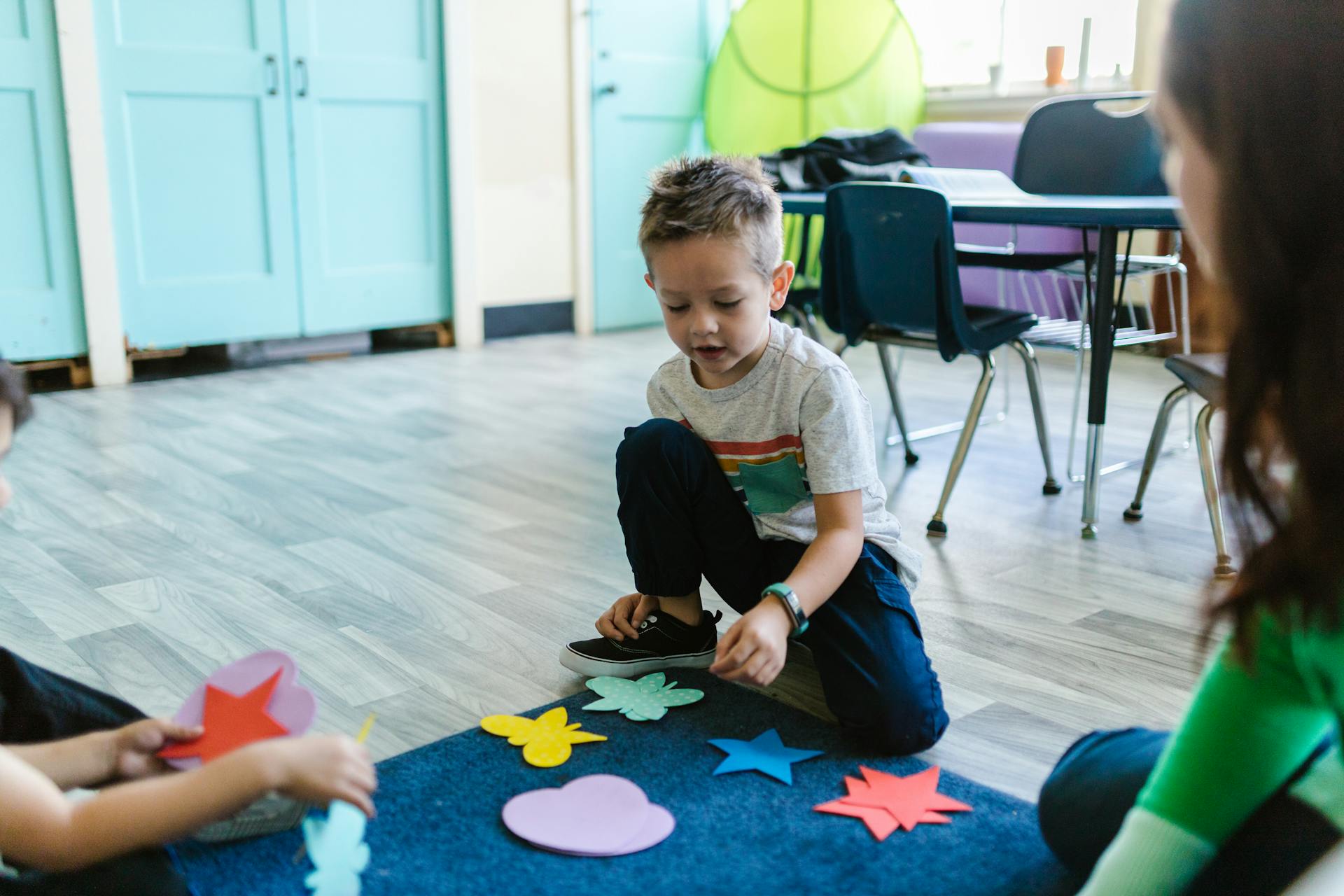
Early literacy is the foundation for a child’s future success in reading, writing, and communication. Pre-K, or preschool, is a critical stage for developing the skills and habits that will support lifelong literacy. By introducing engaging, developmentally appropriate strategies, parents and educators can help children build confidence, curiosity, and a love for learning. In this guide, we’ll explore effective early literacy strategies for pre-K kids that promote reading readiness, language development, and cognitive growth.
Why Early Literacy Matters
Research shows that children exposed to literacy-rich environments before kindergarten are more likely to succeed academically. Early literacy skills help children:
- Develop language and communication skills
- Build vocabulary and comprehension
- Understand letter recognition, sounds, and print concepts
- Foster a love of reading and learning
- Strengthen cognitive and social-emotional skills
The earlier children engage with books, stories, and literacy activities, the better prepared they are for reading and writing in school
Key Early Literacy Skills for Pre-K Kids
Before diving into strategies, it’s important to understand the key early literacy skills pre-K kids should develop:
- Oral Language Skills: Listening, speaking, and understanding words and sentences.
- Phonological Awareness: Recognizing sounds in words, rhyming, and syllables.
- Print Awareness: Understanding that print carries meaning and recognizing letters.
- Vocabulary Development: Learning new words and their meanings through conversation and reading.
- Narrative Skills: Being able to tell or retell stories with beginning, middle, and end.
- Emergent Writing: Scribbling, drawing, and forming letters to communicate ideas.
Early Literacy Strategies for Pre-K Kids
Here are 10 practical strategies to support early literacy development:
1. Read Aloud Daily
Reading aloud introduces children to language, rhythm, and storytelling.
- Choose age-appropriate books with colorful illustrations.
- Use expressive voices to bring characters and events to life.
- Pause to ask questions and encourage predictions.
Example: “What do you think will happen next?” or “Why do you think the character is sad?”
2. Engage in Storytelling and Role-Play
Storytelling develops narrative skills and imagination.
- Encourage children to tell their own stories using pictures or props.
- Use puppets, toys, or dress-up items to act out stories.
- Ask children to describe characters, settings, and events.
3. Introduce Letters and Sounds
Early exposure to letters and phonics builds reading readiness.
- Teach letters through songs, alphabet books, or magnetic letters.
- Focus on letter sounds, not just names.
- Play games like “I Spy” with beginning sounds.
Example: “I spy something that starts with ‘B’—banana!”
4. Incorporate Rhymes, Songs, and Chants
Rhyming activities strengthen phonological awareness.
- Sing nursery rhymes and simple songs daily.
- Clap out syllables in words to develop sound awareness.
- Encourage children to create their own rhymes.
5. Build Vocabulary Through Conversation
Rich conversation exposes children to new words and ideas.
- Describe activities as you do them: “We are mixing the blue paint with the yellow paint.”
- Encourage children to express thoughts and feelings in words.
- Introduce new words in context, rather than in isolation.
6. Provide Access to Books
A literacy-rich environment promotes curiosity and exploration.
- Create a cozy reading corner at home or in the classroom.
- Rotate books regularly to keep children engaged.
- Include diverse books with varied characters and experiences.
7. Practice Emergent Writing
Writing helps children understand that print conveys meaning.
- Encourage scribbling, drawing, and labeling pictures.
- Introduce letter formation through tracing, sand writing, or finger painting.
- Celebrate attempts, not perfection, to build confidence.
8. Play Literacy-Focused Games
Games make learning fun and interactive.
- Letter matching, memory games, and word puzzles build literacy skills.
- Story dice or picture cards can inspire creative storytelling.
- Use board games or apps designed to reinforce letters and sounds.
9. Integrate Literacy into Daily Routines
Everyday activities can support literacy development.
- Involve children in cooking by reading recipes aloud.
- Label objects around the house or classroom.
- Encourage children to help write grocery lists, notes, or simple messages.
10. Foster a Love of Reading
Motivation is key to literacy development.
- Celebrate reading milestones with praise and encouragement.
- Model reading by letting children see adults enjoy books.
- Make reading a fun, social activity with family or peers.
Tips for Parents and Educators
- Keep it Playful: Learning through play increases engagement and retention.
- Be Patient: Children develop literacy skills at different rates; avoid pressure.
- Observe and Support: Notice areas where a child may struggle and provide gentle guidance.
- Celebrate Progress: Recognize achievements, no matter how small, to encourage confidence.
- Connect Literacy to Interests: Choose books and activities related to children’s favorite topics.
Key Takeaways
- Early literacy lays the foundation for reading, writing, and cognitive growth.
- Pre-K literacy strategies include reading aloud, storytelling, phonics, vocabulary building, and emergent writing.
- Literacy-rich environments and playful learning support long-term success.
- Parents and educators play a crucial role in fostering curiosity, confidence, and a lifelong love of reading.
By incorporating these strategies into daily routines, parents and educators can help pre-K kids develop strong literacy skills, emotional confidence, and a love for learning that will last a lifetime. Duneriat