

Explore Our Articles and Blogs
Integrating Play-Based Learning in Pre-K: A Guide for Educators and Parents

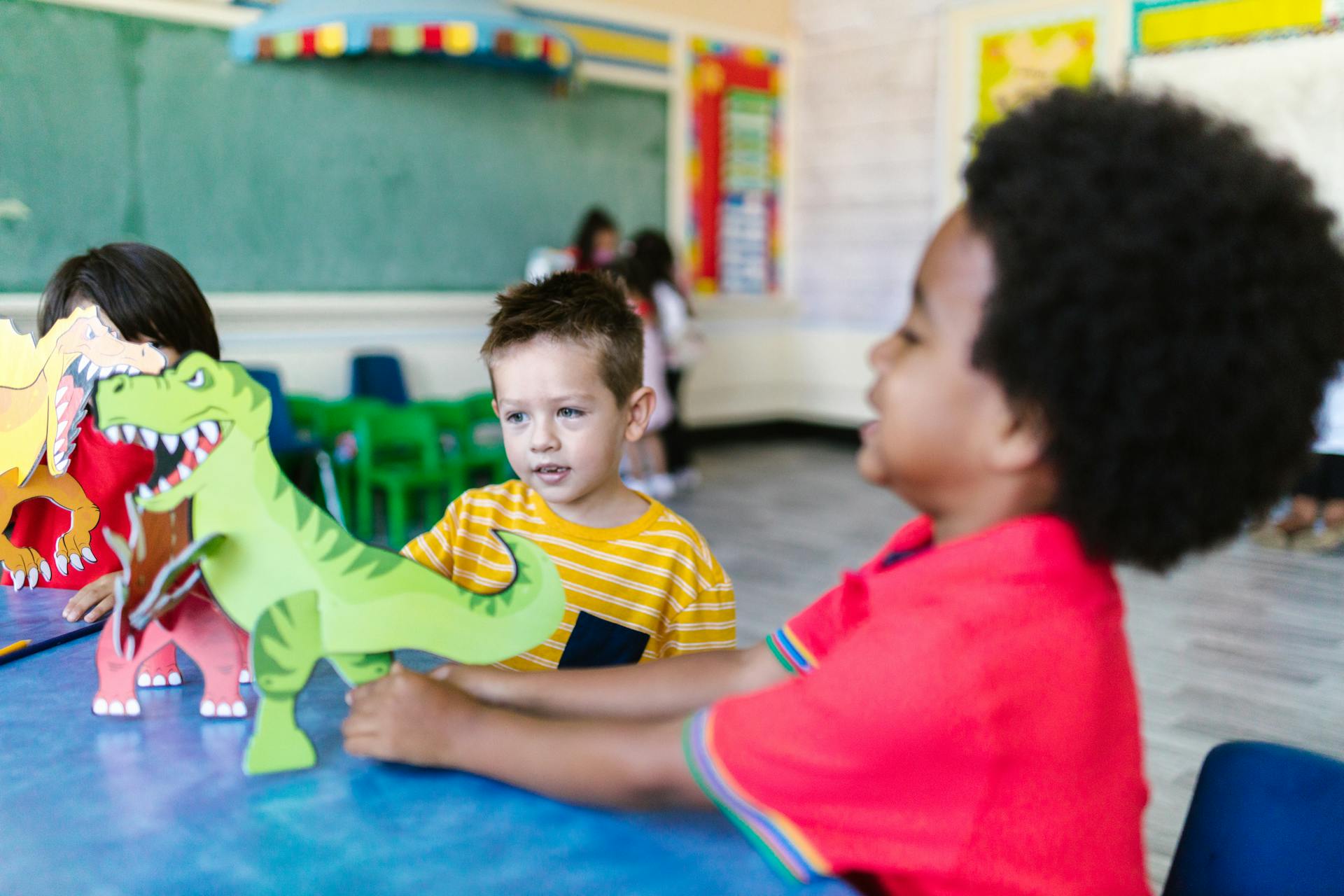
Preschoolers are natural explorers. They learn about the world not by sitting still and listening to lectures, but by moving, building, pretending, and experimenting. For decades, educators have recognized that play is more than “just fun”—it is the foundation of early learning. Integrating play-based learning in Pre-K classrooms provides children with the opportunity to develop academic, social, and emotional skills in a joyful and engaging way.
This blog will explore why play-based learning is essential, the research supporting it, how to implement it in Pre-K classrooms, and strategies for parents to reinforce it at home.
1. What Is Play-Based Learning?
Play-based learning is an instructional approach that uses play as the central medium for learning. Instead of separating “work” from “play,” this method merges them. Teachers create structured yet flexible environments where children engage in activities that stimulate curiosity, creativity, and problem-solving.
Key features include:
- Child-led exploration guided by teacher facilitation.
- Learning embedded in meaningful, hands-on experiences.
- A balance of free play (self-directed) and guided play (structured by teachers).
2. Why Play Matters in Early Childhood Education
According to the American Academy of Pediatrics, play is critical for healthy brain development. It fosters imagination, dexterity, and cognitive growth while helping children manage emotions and build resilience. In the preschool years, play also develops executive functions such as memory, attention, and self-control.
Play is not a distraction from learning—it is learning. Through play, children practice literacy, math, science, and social skills in ways that are developmentally appropriate and deeply engaging.
3. Benefits of Integrating Play-Based Learning in Pre-K
The advantages of this approach are well-documented:
- Cognitive Growth: Sorting blocks by color or size teaches classification and early math skills.
- Language Development: Pretend play encourages storytelling, dialogue, and vocabulary expansion.
- Social Skills: Playing in groups teaches sharing, negotiation, and empathy.
- Creativity and Problem-Solving: Open-ended play promotes innovation and flexible thinking.
- Physical Development: Outdoor and gross motor play strengthen coordination and motor skills.
4. Types of Play in Preschool Learning
Educators can integrate different forms of play into daily instruction:
- Dramatic Play: Role-playing scenarios such as “grocery store” or “hospital” build social and literacy skills.
- Constructive Play: Building with blocks or Legos develops spatial reasoning and engineering concepts.
- Physical Play: Dancing, climbing, and running enhance motor skills and health.
- Symbolic Play: Using objects to represent something else (a block as a phone) builds imagination.
- Games with Rules: Simple board games and turn-taking games teach patience and fairness.
5. Research Supporting Play-Based Learning
Studies consistently show that children in play-based programs perform as well or better academically compared to peers in more rigid programs, while also excelling in creativity and social skills. A longitudinal study in New Zealand’s “Te Whāriki” curriculum revealed that play-based learners developed strong problem-solving abilities and higher engagement in later schooling.
6. Practical Strategies for Teachers
a. Create Play-Rich Environments
Classrooms should feature learning centers—such as block areas, dramatic play corners, and sensory tables—that encourage exploration. Materials should be open-ended, allowing multiple uses.
b. Balance Free Play and Guided Play
Free play gives children control, while guided play integrates intentional learning goals. For example, a teacher might guide a cooking activity to teach measurement and sequencing.
c. Ask Open-Ended Questions
During play, teachers can extend learning with prompts like:
- “What do you think will happen if we add more blocks?”
- “How can we make space for everyone in the game?”
d. Integrate Play into Academics
Play does not replace literacy and math instruction—it enhances it. Counting bears, alphabet puzzles, and storytelling games build foundational academic skills through engaging activities.
e. Observe and Document Learning
Teachers should document how play supports development. Photos, notes, and child work samples demonstrate growth for both assessment and communication with families.
7. Addressing Misconceptions About Play-Based Learning
Some parents worry that too much play means less academic preparation. However, research shows that play-based learning builds the very skills—like self-regulation, problem-solving, and language—that predict later academic success. Worksheets may teach rote memorization, but play fosters deeper understanding and love for learning.
8. Culturally Responsive Play
Pre-K classrooms are diverse, and play should reflect children’s backgrounds. Including multicultural dolls, books, and props in dramatic play centers fosters inclusion and helps children see themselves represented. Teachers can also invite families to share traditional games or cultural practices, enriching classroom play experiences.
9. Outdoor Play and Nature-Based Learning
Taking play outside expands learning opportunities. Nature walks, gardening, or building with sticks and stones encourage observation, creativity, and problem-solving. Outdoor play also promotes physical health and reduces stress, making it a vital part of Pre-K education.
10. Supporting Play-Based Learning at Home
Parents play a crucial role in reinforcing play-based learning outside the classroom:
- Provide open-ended toys like blocks, art supplies, or pretend kitchens.
- Encourage storytelling and role-play games.
- Limit screen time to leave room for imaginative play.
- Engage in play with children to model collaboration and creativity.
Simple activities like cooking together or playing “store” can develop math, literacy, and social-emotional skills.
11. Challenges in Implementing Play-Based Learning
Despite its benefits, integrating play-based learning can face obstacles:
- Pressure for Academics: Some schools emphasize testing and structured academics, limiting play time.
- Limited Resources: Access to materials and safe outdoor spaces can be a barrier.
- Teacher Training: Not all educators are trained in facilitating purposeful play.
Overcoming these challenges requires advocacy, professional development, and community support to highlight the long-term value of play.
12. The Teacher’s Role as Facilitator
In play-based classrooms, teachers act as facilitators rather than directors. They set up environments, observe interactions, and step in with questions or materials to deepen learning. This approach respects children’s autonomy while ensuring learning objectives are met.
Integrating play-based learning in Pre-K is more than a trend—it’s a research-backed, child-centered approach that builds the foundation for academic, social, and emotional success. By embedding play into daily routines, educators foster curiosity, creativity, and problem-solving while making learning joyful.
Parents, teachers, and policymakers alike must recognize that play is not optional in early education—it is essential. When play drives learning, children don’t just prepare for kindergarten; they develop the skills needed for a lifetime of exploration, resilience, and growth. Duneriat